

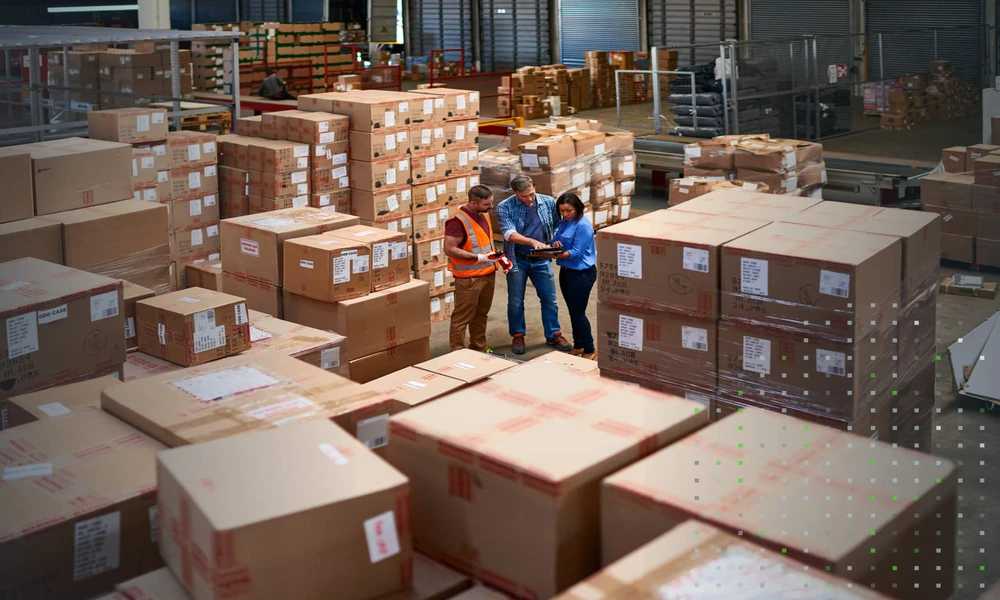
Modern warehouses are evolving rapidly as businesses strive to improve productivity, reduce operational delays, and meet rising customer expectations. Investing in warehouse automation software can transform warehouse operations by streamlining inventory handling, order processing, and material movement. However, choosing the wrong technology or planning poorly can result in unnecessary expenses and operational challenges. Understanding the common mistakes before investing helps businesses maximise returns and create a warehouse that supports long-term growth.
A well-planned automation strategy also improves operational visibility, enhances inventory accuracy, and supports faster decision-making across warehouse functions. By evaluating business needs carefully before implementation, organisations can ensure that their automation investment delivers lasting efficiency and measurable value.
Ignoring Current Operational Challenges
One of the biggest mistakes businesses make is investing in automation without first evaluating their existing warehouse processes. Every warehouse has unique requirements, and automation should solve specific operational issues rather than simply introducing advanced technology.
- Identify repetitive tasks that consume excessive time.
- Review inventory movement patterns and storage efficiency.
- Analyse order fulfilment delays and picking errors.
- Evaluate labour-intensive processes that can be automated.
A detailed operational assessment ensures that the selected WMS software addresses actual business needs instead of creating unnecessary complexity.
Choosing Technology Without Scalability
Warehouse requirements rarely remain the same over time. Business expansion, seasonal demand, and product diversification often increase operational complexity. Selecting systems designed only for present requirements may require expensive upgrades later.
A scalable warehouse automation strategy should include:
- Flexible software that supports future expansion.
- Easy integration with additional automation equipment.
- Capacity to manage increasing inventory volumes.
- Adaptability for changing workflows and business models.
Businesses exploring warehouse automation in India should prioritise solutions that continue delivering value as operational demands grow.
Overlooking System Integration
Many organisations focus only on automation equipment while ignoring compatibility with existing digital systems. When warehouse platforms fail to communicate effectively, businesses often experience data inconsistencies, slower workflows, and reporting issues.
A well-planned integration strategy should ensure smooth communication between inventory management, purchasing, sales, and logistics platforms. Selecting automation tools that work efficiently with an existing warehouse management system environment improves visibility across operations and supports informed decision-making.
Proper integration also reduces duplicate data entry, minimises manual intervention, and improves inventory accuracy across departments.
Focusing Only on Initial Investment Costs
Cost is naturally an important consideration, but choosing the least expensive option can become costly in the long run. Low-priced systems may lack essential features, require frequent maintenance, or struggle to support future operational growth.
Instead of focusing solely on purchase price, evaluate factors such as:
- Long-term maintenance expenses.
- Software updates and technical support.
- Employee training requirements.
- Expected productivity improvements.
- Return on investment over several years.
Businesses implementing warehouse inventory tracking software should assess total ownership costs rather than making decisions based only on the initial budget.
Neglecting Employee Training and Change Management
Automation is most effective when employees understand how to use new technologies confidently. Even the most advanced systems may fail to deliver expected results if staff members receive insufficient training.
Successful implementation includes:
- Conducting structured employee training sessions.
- Explaining new workflows before deployment.
- Providing ongoing technical support after installation.
- Encouraging employee feedback for continuous improvement.
Organisations adopting warehouse inventory tracking software often achieve better productivity when employees actively participate in the transition process instead of viewing automation as a disruptive change.
Skipping Vendor Evaluation and Long-Term Support
Selecting a technology provider without thorough research is another common mistake. A reliable vendor offers more than software or equipment. They provide implementation guidance, technical expertise, regular updates, and responsive customer support.
Before finalising a vendor, businesses should examine:
- Industry experience and successful project history.
- Availability of post-installation support.
- Product customisation capabilities.
- Training and maintenance services.
- Future upgrade options.
Businesses investing in Warehouse Management Software in India should also evaluate whether the vendor understands local operational requirements and can provide dependable long-term assistance whenever needed.
Building Smarter Warehouses with the Right Automation Strategy
Avoiding common investment mistakes allows businesses to unlock the full potential of warehouse modernisation. Careful planning, scalable technology, seamless integration, employee readiness, and reliable vendor support all contribute to successful implementation. Companies that integrate warehouse automation with an efficient warehouse management software solution gain greater operational visibility and improved inventory control. By making informed decisions from the beginning, organisations can achieve sustainable productivity, better resource utilisation, and long-term business success through industrial automation solutions.
