

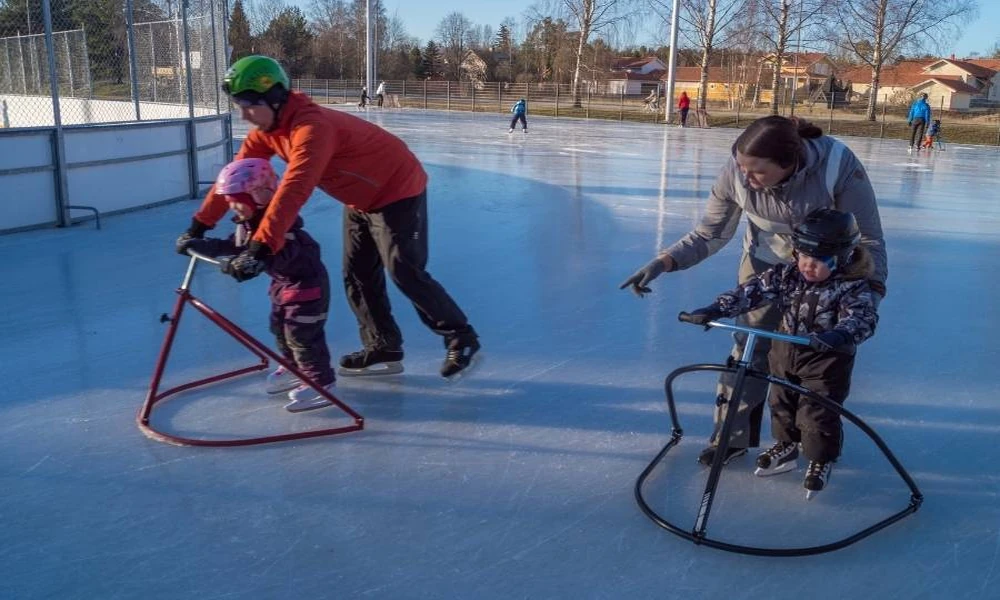
Every child steps onto the ice with a cocktail of excitement and nerves. For some, the thrill burns brighter than the fear. For others, trembling legs and self-doubt get in the way of fun, learning, and potential. What if building confidence on ice was less about innate courage and more about the environment in which kids learn to skate?
Why Confidence on Ice Matters for Kids
Confidence isn’t just a “nice-to-have” for young skaters. It’s the secret ingredient that transforms shaky first steps into smooth glides and timid passes into powerful shots.
The Role of Confidence in Learning to Skate
Kids who believe in themselves are more likely to get up after a fall, try new moves, and keep practicing. Confidence fuels persistence, turning frustration into focus. When children approach learning to skate with an “I can do this” attitude, progress accelerates.
How Confidence Impacts Long-Term Skating and Hockey Success
Beyond basics, confidence propels kids toward team tryouts, more advanced skills, and even a lifelong love of hockey or skating. Coaches and parents agree: the self-assured child is more resilient, coachable, and open to feedback.
The Challenge: Building Confidence on Real Ice
So why do so many young skaters struggle to feel confident on traditional rinks?
Common Barriers Kids Face on Traditional Ice Rinks
– Crowded public sessions mean less space to experiment and more risk of collisions.
– The noise and speed of experienced skaters can intimidate beginners.
– Limited ice time during peak season pressures kids to perform fast, sometimes before they’re ready.
The Impact of Crowds and Pressure on Young Skaters
Under these conditions, even enthusiastic beginners can become overwhelmed. Fear of embarrassment or “messing up” can lead to hesitation, slower progress, or even quitting altogether.
Synthetic Ice as a Confidence-Building Tool: A Case Study from Montreal
Montreal’s West-End Cavendish Athletic Club offers a different route: indoor synthetic ice specifically designed for skill building and confidence growth.
Introducing the West-End Cavendish Synthetic Ice Rink
This innovative rink provides a private, controlled setting for all ages. Whether your child is just finding their balance or already plays hockey, the synthetic surface closely mimics real ice. That means skills transfer seamlessly between settings.
How Synthetic Ice Simulates Real Ice for Skill Development
The surface allows for authentic skating, stickhandling, and shooting drills. Kids can practice wrist shots, slap shots, or simply work on balance without the distractions of a busy arena.
The Controlled Environment Advantage: Year-Round Practice Opportunities
Rain, sleet, or snow are no longer barriers. With indoor, all-season access, consistent practice becomes possible no matter what Montreal weather decides. This reliability is key to building skills and confidence over time.
Focused Indoor Skating Practice: Key Elements for Success
What makes focused indoor practice such a game-changer for confidence?
Structured Drills That Build Confidence Gradually
Starting with simple balance and gliding drills, then layering in stickhandling and shooting, allows kids to experience small wins at every session. Mastery grows step by step, making progress feel attainable.
Balancing Skill Development With Fun and Motivation
Games, challenges, and positive reinforcement keep practice enjoyable. When kids associate the rink with fun, they’re eager to return and push their limits.
The Importance of Small Group or Private Practice Sessions
Working one-on-one or in small groups means personalized feedback and zero fear of judgment. Kids can focus on their own growth, not on impressing a crowd.
Real Stories: Kids Gaining Confidence Through Indoor Synthetic Ice
The impact of focused indoor practice is best seen in those who’ve experienced it firsthand.
Sarah’s Journey: From Hesitant Beginner to Proud Skater
Initially nervous in public rinks, Sarah found her stride on synthetic ice. With fewer distractions and her own pace, small victories snowballed. She now leads her skating group with pride.
Jake’s Off-Season Hockey Training Boost and Mental Shift
Jake, a young hockey player, used the indoor rink for targeted skill work during the offseason. Not only did his game improve, but his mindset shifted from anxious to ambitious.
Testimonials from Parents and Coaches on Confidence Growth
Parents report happier, more enthusiastic kids who can’t wait for the next session. Coaches notice increased resilience, quicker recovery from mistakes, and a willingness to try challenging drills.
Practical Tips for Parents and Coaches to Support Indoor Practice
Guiding kids through their skating journey? A few strategies make all the difference:
– Set achievable goals and celebrate each milestone.
– Maintain a positive, encouraging atmosphere.
– Prioritize regular, bite-sized practices over marathon sessions.
Maximizing Indoor Skating Sessions for Confidence Gains
Make every minute count with a blend of fundamentals and fun.
– Alternate basic skating drills with hockey-specific exercises.
– Use hourly rink rentals for maximum flexibility, avoiding rushed or overstimulating environments.
– Incorporate off-ice conditioning (think: agility ladders or mindset talks) to round out each session.
Local programs, such as West-End gym indoor hockey training, offer flexible options for families looking to nurture both skills and confidence indoors.
Looking Ahead: How Indoor Confidence Translates to Outdoor Success
Confidence built on synthetic ice doesn’t stay indoors.
– Transitions to real ice become smoother, as core skills carry over.
– Hockey players and recreational skaters alike gain resilience for tryouts or games.
– Most importantly, positive early experiences foster a lifelong love of skating.
Year-round, focused practice transforms nervous beginners into confident, empowered skaters ready to take on the world, one stride at a time.
