

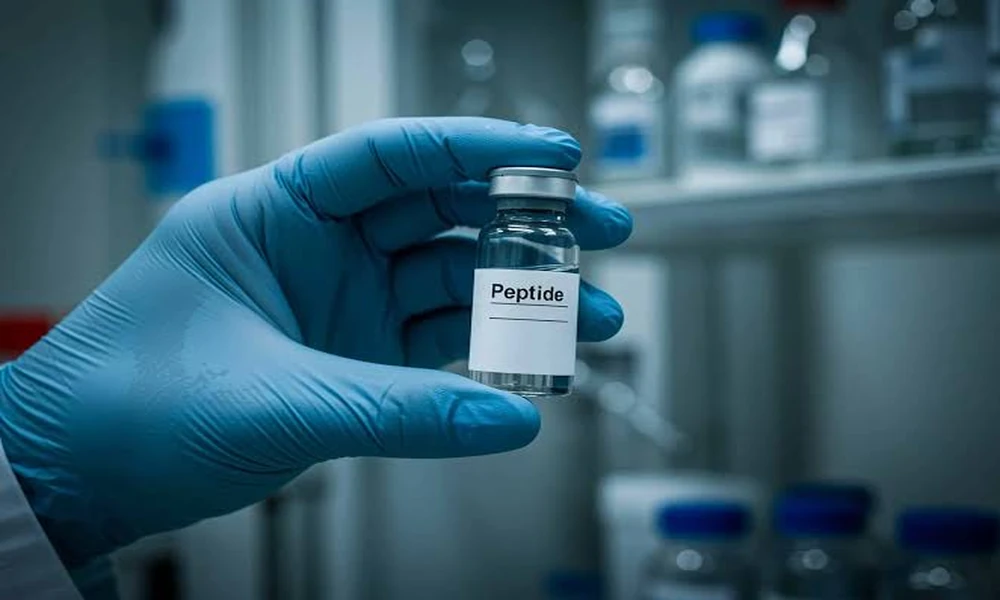
A researcher once paid for a vial and waited two weeks for the certificate. When the file finally arrived the lot number did not match. The powder had to sit unused while a second order was placed. That delay is common when the supplier keeps the paperwork private until after payment.
Anyone searching for where to get retatrutide for laboratory work meets the same fork in the road. One path asks for trust. The other path lets you open the actual batch report before any money moves. The second path turns the purchase into a documented step instead of a hope.
What a public COA library actually changes
A public library means every recent certificate sits online and is searchable by lot number. You can type the number that will appear on your vial and read the full report before checkout. The date, the lab name, the HPLC result, and the identity confirmation are all visible. If the numbers look weak you simply close the page and move on. No money has left the account.
Private reports work the opposite way. You pay first. The file arrives later or sometimes not at all. By then the vial is already in transit. Returning research material is rarely simple. The lab ends up holding powder it cannot use.
The difference between a claim and a matched report
Many product pages say “third-party tested” or “99 percent pure.” Those phrases mean little without a matching lot number. A usable certificate names the exact batch. It lists the independent lab that ran the tests. It shows both purity and identity results on the same sheet. Endotoxin data appears when the protocol needs it. Anything less is a claim, not proof.
Quick reference list of what a usable COA contains
Any certificate missing two or more of these points should pause the order. The list is short on purpose. It can be checked in under a minute.
How shipping timing fits the picture
Even a perfect report loses value if the material sits too long in transit. Suppliers that dispatch from a domestic warehouse on the same day an order clears keep the chain short. Tracking numbers appear quickly. Packaging protects the lyophilized powder from heat and moisture. Long customs delays can turn clean material into degraded powder before it reaches the bench.
A simple habit that keeps records clean
Write down the supplier name, the lot number, the COA date, and the arrival date for every order. The note takes less than a minute. When later results look odd the log becomes the first place to look. Without it the source of the problem stays hidden. Labs that keep this habit rarely repeat the same sourcing mistake.
Researchers who treat the order as the first step of the experiment rather than a shopping task tend to waste less material. They open the public library first. They match the lot number. They only then decide whether where to get retatrutide from that supplier makes sense for the protocol. The decision rests on visible data instead of a trust claim. Public lot-matched reports turn a purchase into a documented step.
