

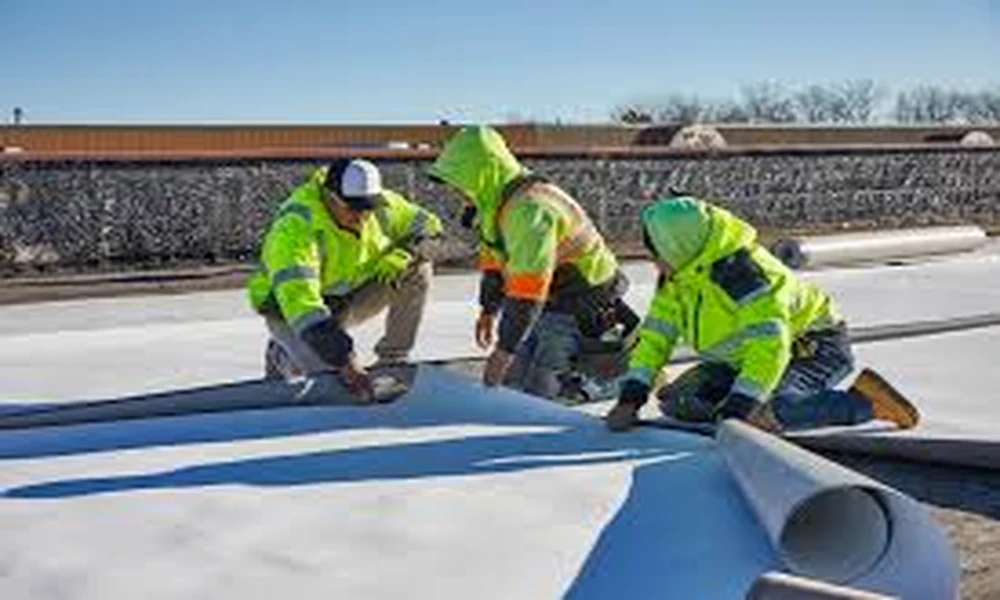
Older commercial properties need steady care to remain safe and useful for many years ahead. A worn roof is often the first sign that the upper shell deserves fresh attention. Smart preparation lets owners shield interiors, equipment, stored goods, as well as daily operations with confidence. For trusted guidance on project timing and experienced crews in your area, see website for reliable support with your commercial roofing needs.
Assessing Current Roof Condition
A careful inspection shows exactly what the roof needs today. Trained inspectors check membranes, flashing, drains, as well as insulation. Thermal scans reveal wet zones hidden from ordinary eyes. These findings shape every later decision about scope or cost.
- Schedule a professional inspection at least once every single year.
- Photograph damaged spots so contractors can compare changes over time.
- Clear gutters after heavy storms to confirm water flows freely.
- Note ceiling stains because they often point toward moisture sources.
- Keep detailed records of past repairs for smarter future decisions.
Setting a Realistic Project Budget
A realistic roof budget covers labor, removal, disposal fees, as well as insulation. Several detailed quotes help owners compare value with greater clarity. A reserve near ten percent keeps unexpected costs from slowing progress. Staged work or flexible financing can ease pressure on yearly cash flow.
Selecting Durable Covering Systems
Modern covering systems resist sun, wind as well as standing water. Lightweight options ease strain on older frames while delivering excellent durability. Each choice brings unique strengths in cost, lifespan or energy savings. A qualified contractor matches the right option to existing load capacity.
- Reflective membranes help reduce cooling demand during hot summer months.
- Metal panels resist fire while lasting several decades with minimal upkeep.
- Modified bitumen layers handle frequent foot traffic from maintenance crews.
- Proper insulation boards improve energy efficiency throughout each enclosed structure.
- Warranty terms should match the expected lifespan of chosen systems.
Timing Work Around Daily Operations
Smooth scheduling keeps tenants productive while crews work on the roof overhead. Many owners pick dry seasons because warm weather helps adhesives bond properly. Phased sections allow businesses to stay open with little interruption. For more details on flexible timelines and professional roofing services, see website for helpful information from experienced teams.
Strengthening the Supporting Frame
Replacement work offers a chance to examine decking, joists, and load-bearing walls. Engineers can spot corrosion early and then recommend proper reinforcement. Upgraded fasteners with improved edge details help the upper assembly resist strong winds. This attention keeps the whole building sound while protecting important assets inside.
Aging structures thrive when upkeep begins with honest assessments followed by sensible budgets. Durable coverings suited to local weather keep rooms dry through every season. Thoughtful scheduling allows businesses to continue running while skilled teams finish each phase. Reinforcing the frame during this stage adds remarkable strength to everything above. Managers who act promptly gain dependable shelter across coming decades.
FAQ
How often should owners inspect an older commercial roof surface?
Yearly inspections, along with checks after major storms, work well.
What signs show that a full replacement might be necessary?
Widespread moisture, sagging decks, or frequent leaks suggest complete renewal.
Can businesses stay open while crews install a new covering?
Yes, phased scheduling lets daily activities continue with minimal disruption.
