

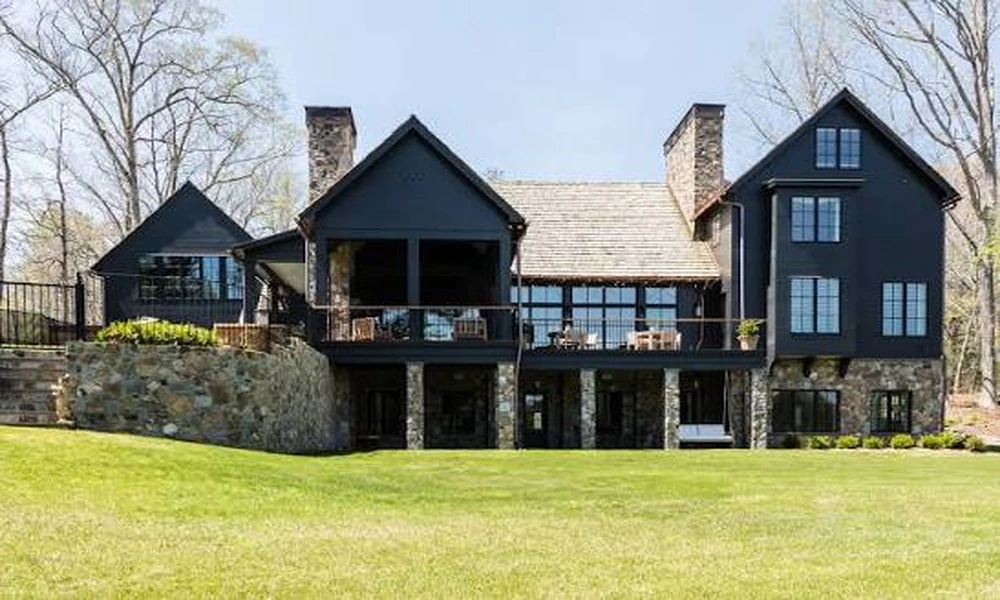
Buyers pay for decisions made long before move-in day. Resale strength gets set at the drafting table. Owners can contact J Hunter Homes to guide those early choices. Orientation, layout, materials, and energy systems all shape appraisals. Each factor also affects how fast a home sells later. Careful planning in these areas protects equity for decades.
Site Orientation Shapes Long-Term Market Appeal
Sunlight sells homes, though few buyers name it directly. South-facing living spaces feel brighter during winter. In hot regions, shaded west walls reduce cooling loads. Lot placement also decides privacy, drainage, and yard use. Appraisers notice these traits even when owners overlook them.
Which Floor Plan Choices Hold Resale Value?
Flexible layouts serve more future households, widening the buyer pool.
- A main-floor bedroom suits aging owners well.
- Open kitchens connect cooking with family time.
- Dedicated offices support people working from home.
- Ample storage keeps clutter from shrinking rooms.
- Wider hallways allow easier movement for everyone.
Material Grade Influences Appraisal and Upkeep
Durable materials lower maintenance costs that buyers quietly calculate. Fiber cement siding, for example, resists rot better than wood. Quartz counters survive daily wear without sealing. Finishes can be swapped later; a weak structure cannot. Owners weighing roofing options can contact J Hunter Homes for guidance. Inspectors reward solid framing during resale reviews.
Do Energy Systems Raise Appraised Value?
Efficiency now ranks high on purchase checklists. Lower utility bills translate into stronger offers.
- Heat pumps trim heating costs.
- Sealed ducts stop wasted air.
- Solar-ready roofs simplify future upgrades.
- Triple-pane windows also block noise.
Certified efficiency ratings give appraisers documented proof.
Why Does Neighborhood Fit Matter So Much?
An oversized house rarely earns its cost back. When a home far exceeds nearby prices, appraisals lag behind. Smart builders match square footage to the street’s character. Modest upgrades in a strong district can outperform lavish ones elsewhere. Location sets the ceiling; design decides how close a property gets.
Small Drafting Decisions Echo Through Decades
A main-floor bedroom costs little during framing. Retrofitting one after twenty years can mean gutting a wing. That gap reveals the real economics of custom building. Owners pay for plans, while future buyers grade them. Designing for that unseen household turns shelter into equity.
FAQs
Does custom construction cost more than buying an existing home?
Upfront spending can run higher, depending on land and finishes. Lower repair needs and efficient systems offset part of that gap over time.
How long does a custom home build take?
Timelines shift with design complexity, permit approvals, and weather. Planning and permitting alone can take a few months before groundwork begins.
Which upgrades return the most at resale?
Kitchens, efficient systems, and durable exteriors tend to recover strong value. Highly personal features, such as themed rooms, recover far less.
Should resale matter when building a forever home?
Life plans change, and homes eventually pass to heirs or new owners. Balancing personal taste with broad appeal protects family wealth.
Can a custom home be designed for future expansion?
Yes, planners can reserve space for additions, extra plumbing, or attic conversions. Building that flexibility in early costs far less than restructuring later.
