

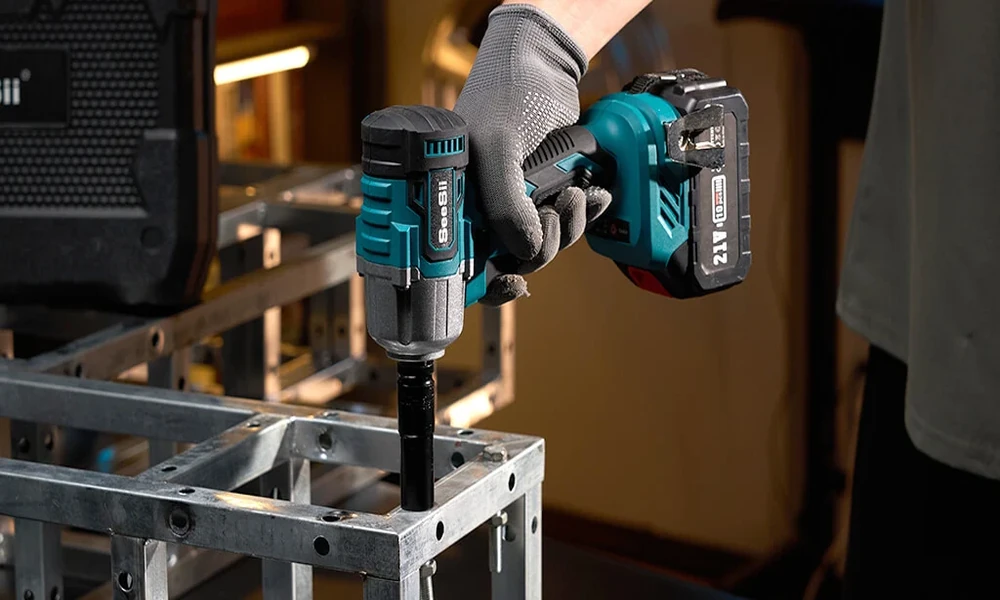
Few changes have shaken up the power tool landscape like the rise of lithium-ion batteries. Where job sites once echoed with the complaints of heavy packs and short-lived charges, today’s professionals demand, and often get, efficiency, flexibility, and grunt from their cordless tools. But with rapid innovation comes a flood of myths. It is time to tackle these head-on and see what lithium-ion power truly brings to the table.
Debunking the Myth: Lithium-Ion Batteries Are Too Expensive for Everyday Tools
Sticker shock can be real when eyeing a high-capacity lithium-ion battery or a new cordless kit. But does the upfront price really outweigh long-term benefits?
Unpacking the True Cost vs. Long-Term Savings
Older batteries, such as nickel-cadmium (NiCd) or nickel-metal hydride (NiMH), tend to require frequent replacements, slower charging, and deal poorly with memory effects. Lithium-ion batteries, by contrast, offer hundreds more charge cycles, greater efficiency, and lighter designs. Spread over years of use, what looks expensive up front often translates to significant savings in replacement costs and productivity.
How Battery Life Extends Tool Longevity
Consider the impact on the tools themselves. Consistent voltage output preserves motor and electronic integrity, reducing wear and tear. The result? Cordless tools spend less time in the repair shop and more time on the job, maximizing your investment.
Myth: Lithium-Ion Batteries Overheat and Are Unsafe
Fear of overheating and fire risk has plagued lithium-ion technology for years, especially in consumer electronics. So how does the reality stack up when it comes to power tools?
Advances in Battery Management Systems
Modern lithium-ion packs are equipped with sophisticated battery management systems (BMS) that monitor temperature, cell voltage, and charge levels. If conditions get risky, built-in safety protocols shut down the battery before damage occurs.
Real-World Safety Performance in Cordless Tools
Industry data shows that properly manufactured lithium-ion batteries are incredibly safe when paired with professional-grade tools. Brands like Makita build in multiple layers of protection, making dangerous malfunctions exceedingly rare.
Lithium-Ion Batteries Don’t Deliver Enough Power for Heavy-Duty Tasks
It is easy to assume that only corded or gas-powered tools can handle tough jobs. But lithium-ion technology has steadily chipped away at that belief.
Comparing Power Output with Traditional Battery Types
Lithium-ion batteries deliver consistent voltage right up to the last drop, avoiding the performance drop-off common in older chemistries. This translates into more torque, faster cuts, and longer runtimes.
| Battery Type | Voltage Consistency | Memory Effect | Average Weight | Typical Runtime (per charge) |
|:————–|:——————:|:————-:|:————–:|:—————————-:|
| Lithium-Ion | High | None | Light | 30-60 mins |
| NiCd | Low | Yes | Heavy | 15-25 mins |
| NiMH | Moderate | Moderate | Moderate | 20-35 mins |
Case Studies: High-Performance Tools Powered by Lithium-Ion
High-voltage lithium-ion systems now drive impact wrenches, rotary hammers, and even mowers. Many professionals rely on Makita tools, which harness advanced lithium-ion packs to deliver power once only possible on corded equipment.
The Myth of Slow Charging Times for Lithium-Ion Batteries
Nobody wants to babysit a charger during the workday. Fortunately, the reality of modern lithium-ion charging is a far cry from the sluggish pace of older batteries.
Modern Rapid Charging Technologies
With advances in charger design and cell chemistry, most lithium-ion packs reach 80 percent capacity in under 30 minutes. Some premium chargers even cool the battery during charging, further reducing downtime.
Impact on Job Site Efficiency and Downtime
Less time charging means more time working. Fast-charging systems keep crews moving, reduce the need for backup batteries, and can turn a short lunch break into a full recharge for small packs.
Lithium-Ion Batteries Have a Short Lifespan – Fact or Fiction?
Stories of batteries losing capacity overnight have often been exaggerated. What does the data (and user experience) really show?
Understanding Battery Degradation and Usage Patterns
Every battery degrades, but lithium-ion has a longer useful life than previous technologies. Factors such as extreme heat, over-discharging, and poor storage can shorten lifespan, but most users see years of reliable performance.
Tips for Maximizing Battery Health and Performance
– Avoid leaving batteries in hot vehicles
– Store partially charged if unused for long periods
– Use only manufacturer-approved chargers
These steps go a long way to keeping batteries healthy through hundreds of cycles.
Lithium-Ion Batteries Are Only Suitable for Small Hand Tools
If you still picture lithium-ion as limited to drills and screwdrivers, you are a few years behind.
Expansion into Outdoor and Heavy Equipment
From outdoor blowers to mowers and even robotic vacuums, lithium-ion’s reach now extends to jobs that once seemed impossible without a cord or fuel tank.
Examples from Leading Brands Like Makita
A quick look at major lineups shows lithium-ion powering everything from angle grinders and sanders to full-sized backpack sprayers. The versatility is limited only by innovation.
Environmental Concerns: Are Lithium-Ion Batteries Sustainable?
No battery technology is perfect, but is lithium-ion the environmental villain some suggest?
Recycling Innovations and Disposal Practices
The industry is making strides in battery recycling, with drop-off points and new processes to recover valuable materials like lithium, cobalt, and nickel.
Comparing Environmental Impact with Other Battery Technologies
While mining for raw materials is a concern, lithium-ion’s long lifespan, lighter weight, and improving recyclability make it more sustainable than many predecessors.
Lighter, safer, and more powerful than ever, lithium-ion batteries have rewritten the rules for cordless tool efficiency. Understanding the technology, and dispelling outdated myths, means making smarter choices that pay off in performance and the long run.
