

What Is Asbestos?
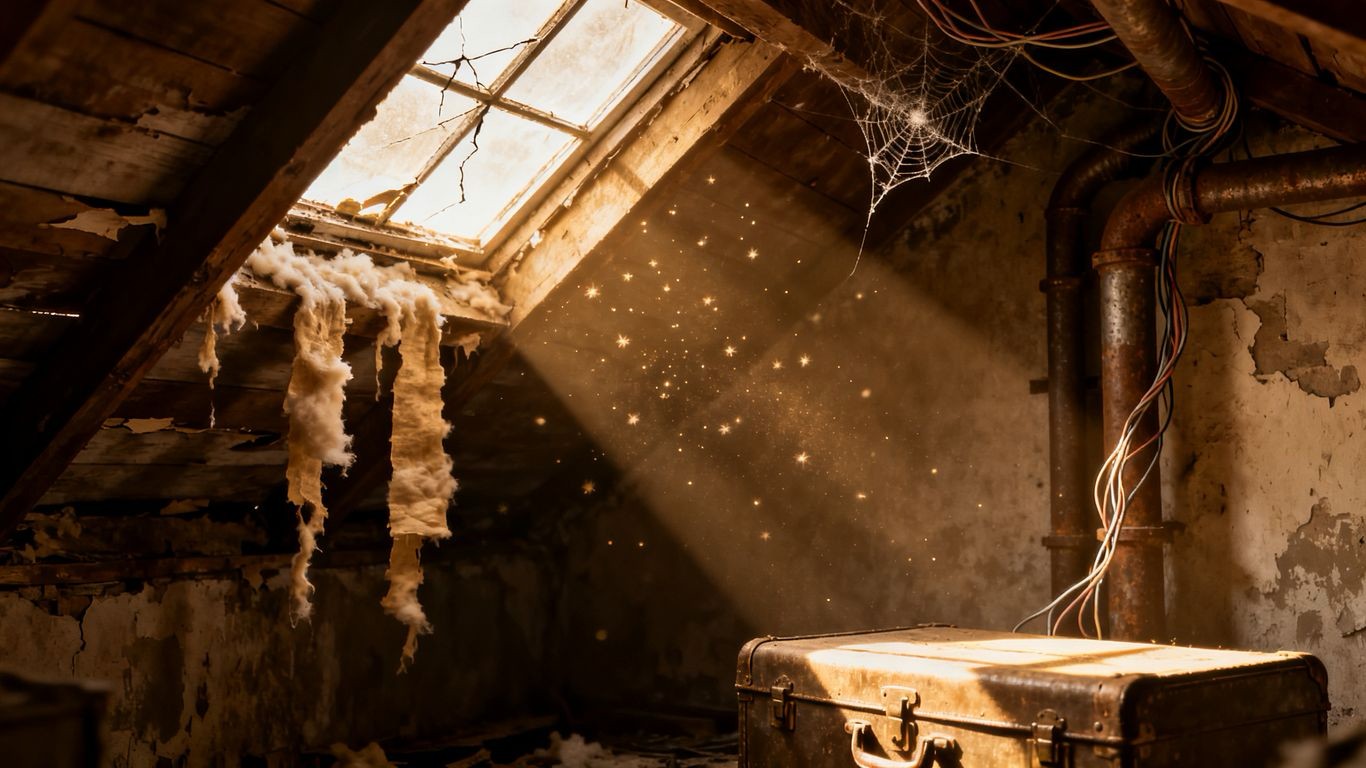
Asbestos is a group of naturally occurring minerals that form thin, microscopic fibers. For a long time, these fibers were prized for their strength, heat resistance, and insulating qualities. This made them a popular additive in many building materials used extensively from the early to mid-20th century. Think of things like insulation, roofing, and flooring – asbestos was often mixed in to make them more durable and fire-resistant. However, the very properties that made asbestos useful also make it a significant health hazard when its fibers become airborne.
Health Implications Of Asbestos Exposure
The primary danger from asbestos arises when its fibers are released into the air and then inhaled. These tiny fibers can become lodged deep within the lungs and other organs. Over time, this can lead to serious and often fatal diseases. The most well-known of these are:
- Asbestosis: A chronic lung disease characterized by scarring of lung tissue, which makes breathing difficult.
- Mesothelioma: A rare but aggressive cancer that affects the lining of the lungs, abdomen, or heart.
- Lung Cancer: Asbestos exposure significantly increases the risk of developing lung cancer, even in individuals who have never smoked.
It’s important to remember that there is no known safe level of asbestos exposure. Even small amounts can pose a risk over time.
Latency Periods Of Asbestos-Related Diseases
One of the most insidious aspects of asbestos-related illnesses is their long latency period. This means that symptoms of diseases like asbestosis or mesothelioma may not appear for 10, 20, or even 40 years after the initial exposure. This lengthy delay can make it challenging to connect current health problems to past asbestos exposure, especially if the exposure occurred many years ago in a previous home. This silent threat underscores the importance of understanding the potential presence of asbestos in older structures and taking appropriate precautions, particularly when considering home renovations.
Common Locations Of Asbestos In Older Homes
If your home was built before the 1980s, it’s quite possible that asbestos is hiding in plain sight. This mineral was a popular additive in many building materials for decades because it was cheap and effective at resisting heat and fire. Unfortunately, its widespread use means many older houses still contain it, and disturbing these materials can release dangerous fibers into the air.
Insulation Materials Containing Asbestos
One of the most common places asbestos was used is in insulation. Think about the fuzzy stuff in your attic or the wrap around old pipes and ductwork. Many types of insulation from that era, including vermiculite attic insulation and pipe wrap, often contained asbestos. It was valued for its excellent insulating properties, making it a go-to for keeping homes warm in the winter and cool in the summer. If you have an older home, it’s worth checking these areas, especially if the insulation looks undisturbed but is showing signs of age.
Flooring And Ceiling Products With Asbestos
Many homeowners might not realize that their floors and ceilings could be a source of asbestos. Vinyl floor tiles, especially those installed before the late 1980s, frequently contained asbestos in both the tile itself and the adhesive used to stick them down. Similarly, textured paints and ‘popcorn’ ceilings were often made with asbestos to give them that unique look and texture. These materials can become a problem if they start to crumble or if you decide to renovate and scrape them off without knowing what’s in them. For more information on common asbestos materials, understanding these products is key.
Exterior Building Components With Asbestos
Asbestos wasn’t just an interior material; it was also used on the outside of homes. Cement siding, roofing shingles, and even some types of exterior paints could contain asbestos. These materials were chosen for their durability and resistance to weather. Over time, exposure to the elements can cause these exterior components to degrade, potentially releasing asbestos fibers. If you’re planning any work on your home’s exterior, like replacing the roof or siding, it’s important to consider the possibility of asbestos. This is especially true in areas with a lot of older housing stock, like many homes in Los Angeles.
Scenarios Leading To Asbestos Exposure
Many homeowners, especially those with older properties, might unknowingly encounter asbestos. The danger isn’t usually from intact materials, but rather when they get disturbed. This can happen in several common situations:
Home Renovations And Disturbing Materials
When you decide to update your home, especially if it was built before the 1980s, you might run into asbestos. Activities like tearing down walls, removing old flooring, or replacing a roof can release asbestos fibers into the air. It’s vital to assume any suspect material contains asbestos until proven otherwise. If you’re planning any demolition or renovation, it’s a good idea to get a professional inspection first. This helps avoid accidentally disturbing asbestos-containing materials (ACM) and creating a health hazard. For demolitions subject to asbestos regulations, a thorough inspection is required before work begins [84c3].
DIY Projects And Unintentional Exposure
Even small DIY projects can pose a risk. Think about tasks like drilling into old plaster walls, sanding down textured ceilings, or even replacing an old gasket on an appliance. If these materials contain asbestos, these actions can release microscopic fibers. These fibers are so small they can easily be inhaled without you even realizing it. If you suspect asbestos has been disturbed during renovation, the most critical action is to cease all work immediately [1adc].
Deterioration Of Aged Building Materials
Over time, building materials can break down naturally. Asbestos-containing materials, especially if they are damaged, worn out, or have been exposed to moisture, can start to crumble. This degradation process can release asbestos fibers into the surrounding environment. This is particularly concerning for insulation around old pipes, aging vinyl floor tiles, or deteriorating roofing materials. Regular maintenance and inspection of older home components can help identify and manage these risks before they become a serious problem.
Protecting Your Household From Asbestos Dangers
When dealing with older homes, awareness of potential asbestos hazards is key to keeping your family safe. It’s important to remember that asbestos-containing materials are generally only a risk when they are disturbed or damaged. The safest approach is often to leave intact asbestos materials alone. If you suspect asbestos is present, the primary goal is to avoid any action that could release fibers into the air.
Avoiding Contact With Suspected Materials
If your home was built before the 1980s, certain materials might contain asbestos. These can include insulation, vinyl floor tiles, textured paints, and roofing components. The critical point is that you cannot tell if a material contains asbestos just by looking at it. Therefore, if you encounter materials that look like they could be asbestos-containing, the best course of action is to treat them as if they do. This means refraining from touching, scraping, sanding, or drilling into them. Minimizing activity in areas where materials might be damaged is also a good practice. For more information on where asbestos might be found, consider looking into common asbestos locations.
The Importance Of Professional Intervention
Attempting to remove or repair asbestos-containing materials yourself is strongly discouraged. The process requires specialized knowledge, equipment, and safety protocols to prevent fiber release. Improper handling can lead to significant exposure for everyone in the household and potentially contaminate the home. When in doubt, or if materials are damaged, it is always best to consult with certified asbestos professionals. They have the training and tools to assess the situation accurately and perform any necessary work safely and in compliance with regulations. Engaging professionals is the most reliable way to manage asbestos risks.
Safe Practices During Home Maintenance
Even routine home maintenance can pose a risk if asbestos is present. For instance, activities like drilling into walls for hanging pictures, or cleaning out attics, could disturb asbestos fibers. If you are planning any home improvements or repairs, especially those that might involve cutting, sanding, or removing materials, it’s vital to consider the possibility of asbestos. Before starting such projects, a professional inspection can identify potential hazards. If asbestos is found, professionals can advise on the safest way to proceed, which might involve encapsulation, enclosure, or removal. Being proactive about potential asbestos in your home is a significant step towards protecting your family.
Professional Asbestos Testing And Assessment
When dealing with potential asbestos in older homes, relying on DIY methods can be risky. Professional asbestos testing offers a reliable way to identify and quantify the presence of these hazardous fibers. Certified professionals use specialized equipment and follow strict safety protocols to collect samples. This minimizes the risk of exposure during the testing process itself, which is a significant concern with do-it-yourself approaches.
Why Professional Testing Is Crucial
While visual inspection might suggest the presence of asbestos, only laboratory analysis can confirm it. Professionals are trained to recognize materials that commonly contain asbestos, such as certain types of insulation, textured paints, vinyl floor tiles, and roofing shingles. They understand the proper techniques for collecting samples without releasing fibers into the air. This careful approach is vital because even small amounts of disturbed asbestos can pose a health risk.
Accurate Identification Of Asbestos
Professional testing services provide a detailed report that specifies:
- The types of materials tested.
- Whether asbestos was detected.
- The type and percentage of asbestos found.
- Recommendations for next steps, if necessary.
This precise information is indispensable for making informed decisions about remediation or management. Without accurate identification, you might undertake unnecessary work or, worse, fail to address a genuine hazard. For homeowners in areas with many older properties, like those served by AirMD, this level of detail is a standard part of their service.
Peace Of Mind Through Expert Evaluation
Ultimately, professional asbestos testing provides peace of mind. Knowing that your home has been thoroughly assessed by trained experts, following established procedures, allows you to proceed with renovations, maintenance, or simply daily living with confidence. It’s an investment in your family’s health and safety, ensuring that potential dangers are properly identified and managed. If you’re in need of environmental assessments, consider looking into services similar to those offered by Environmental Assessments & Solutions, Inc. for your property.
Legal And Financial Ramifications Of Asbestos
Beyond the immediate health concerns, the presence of asbestos in older homes can lead to significant legal and financial complications. Homeowners who are aware of asbestos hazards but fail to address them may face liability, especially if tenants or visitors are exposed. Lawsuits stemming from asbestos exposure can become quite expensive and time-consuming, underscoring the need to follow safety rules.
Furthermore, asbestos can really hurt a property’s market value. Potential buyers might shy away due to the health risks and the costs involved in removal. Insurance costs could also go up, reflecting the increased risk associated with properties containing asbestos.
Here are some key points to consider:
- Liability for Unaddressed Hazards: Failing to manage asbestos can result in legal action if exposure occurs. This is particularly relevant for rental properties.
- Impact on Property Value and Marketability: Homes with known asbestos issues often sell for less and may take longer to sell. Buyers may factor in the cost of abatement when making an offer.
- Compliance with Regulatory Standards: Various regulations exist to manage asbestos. Non-compliance can lead to fines and penalties. For instance, in Los Angeles, failing to follow rules like the EPA RRP can result in substantial fines up to $37,500 per day, per violation.
Addressing asbestos issues proactively is the best way to avoid these negative legal and financial outcomes. Investing in professional testing and abatement not only protects occupants but also helps maintain the property’s worth and appeal. It’s wise to understand your responsibilities and the potential consequences of inaction when dealing with these materials. For those undertaking renovations, it’s vital to identify asbestos-containing materials before starting any work, as disturbing them can release dangerous fibers requiring professional asbestos abatement.
