

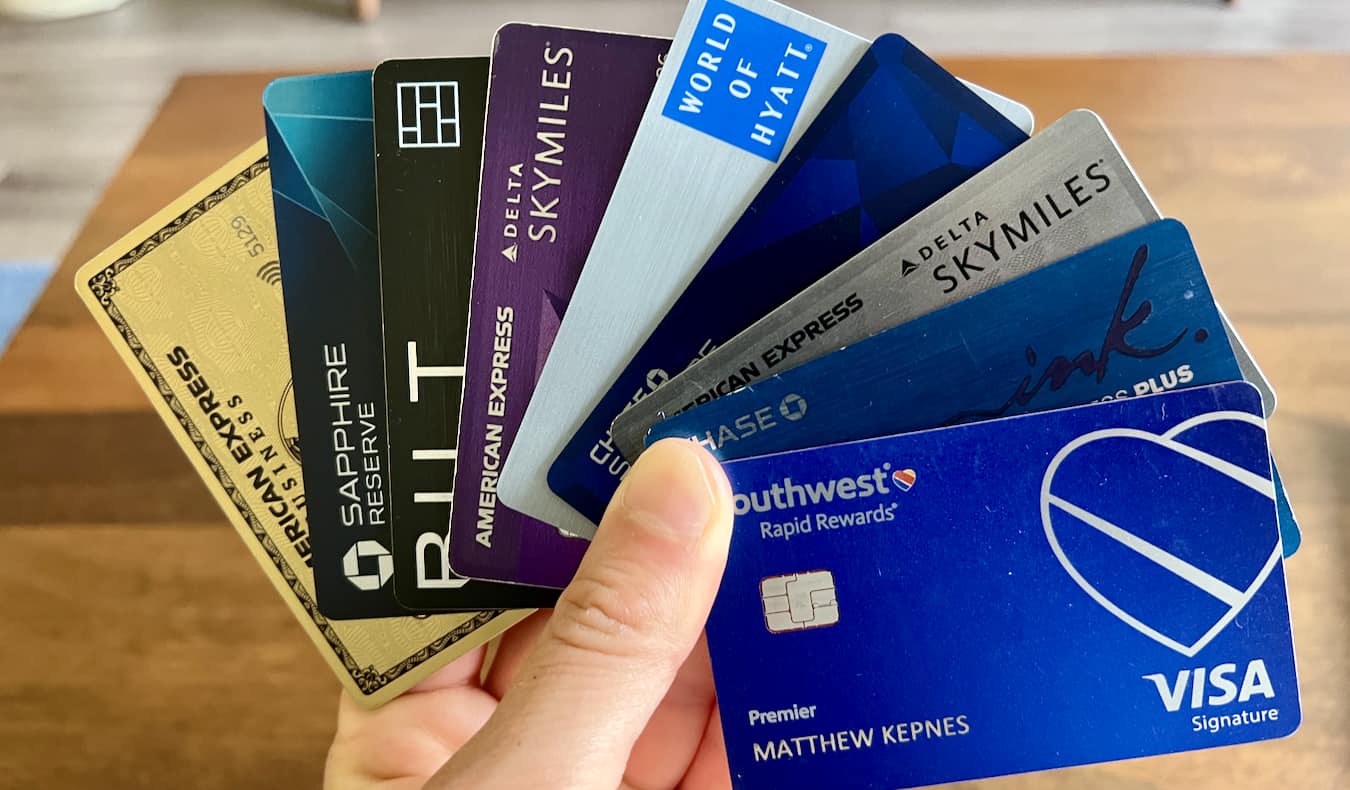
You do not need to pay a $95+ annual fee to earn travel rewards. The best travel credit cards no fees can offer right now are the Chase Freedom Unlimited and the Bilt Mastercard. Both provide genuine travel value and strong rewards programs at zero yearly cost to the cardholder.
That said, no-fee does not mean no strings. Hidden fees, foreign transaction charges, and weak redemption options can quietly eat into your rewards. Here is how to pick the right card and avoid the traps.
What ‘No Annual Fee’ Really Means
A no-annual-fee card simply does not charge you a yearly membership fee. But watch for these costs that can sneak in:
- Foreign transaction fees (usually 3%) – charged on every purchase abroad
- Late payment fees – can hit $30-$40 per missed payment
- Balance transfer fees – relevant if you plan to move debt
- Cash advance fees – avoid using travel cards for cash withdrawals
The best no-fee travel cards waive foreign transaction fees entirely. That alone saves meaningful money if you travel internationally even once a year.
Top No-Fee Travel Cards Compared (2026)
| Card | Sign-Up Bonus | Rewards Rate | Best For | Foreign Tx Fee |
| Chase Freedom Unlimited | $200 after $500 spend | 1.5% on everything | Everyday spending + travel | 3% (waived abroad) |
| Bilt Mastercard | None (ongoing rent rewards) | 1x rent, 2x travel, 3x dining | Renters who travel | None |
| Capital One VentureOne | 20,000 miles (~$200) | 1.25x all purchases | Simple flat-rate travelers | None |
| Discover it Miles | Miles match after year 1 | 1.5x on everything | First-year value seekers | None |
| Bank of America Travel Rewards | 25,000 points (~$250) | 1.5x on everything | BofA banking customers | None |
| Wells Fargo Autograph | 20,000 points ($200) | 3x travel, dining, transit | Frequent diners and commuters | None |
Best Card by Travel Style
Occasional traveler (1-2 trips per year): Go with Capital One VentureOne or Bank of America Travel Rewards. Simple redemption, no annual fee, no foreign transaction fees. You will not over-optimize but you will not pay to play either.
City dweller who rents: The Bilt Mastercard is genuinely unique. Paying rent is usually dead money – Bilt turns it into airline miles or hotel points. If your rent is $1,500/month, that is 18,000 points a year just from housing.
Frequent diner or commuter: Wells Fargo Autograph gives you 3x on travel, dining, gas, transit, streaming, and phone plans. For someone whose daily spend hits those categories, the earn rate rivals premium paid cards.
What to Look for Beyond the Fee
- Redemption flexibility – can you transfer points to airlines and hotels, or only get statement credits?
- Bonus categories – flat-rate cards are simpler, but category bonuses earn faster if your spending matches
- Travel protections – even no-fee cards often include trip delay insurance, rental car coverage, and purchase protection
- Credit score requirement – most travel cards require good to excellent credit (700+)
Common Mistakes When Picking a Travel Card
- Chasing the sign-up bonus without checking the spend requirement – a $500 minimum in 3 months may not fit your budget
- Ignoring the redemption rate – some cards earn points that are only worth 0.5 cents each, making the ‘rewards’ nearly worthless
- Not reading the foreign transaction fee fine print – some cards waive it, some do not, and this matters a lot for international travel
- Getting a card that does not match your actual spending – a card with 3x on dining is useless if you cook at home
Frequently Asked Questions
Can you earn airline miles with a no-fee travel card? Yes – the Capital One VentureOne and Bilt Mastercard both allow point transfers to major airline partners like Air Canada Aeroplan, Turkish Airlines, and United MileagePlus.
Are no-fee travel cards worth it compared to premium ones? Absolutely, especially if you travel a few times a year. The math only shifts toward premium cards when the additional perks (lounge access, elite status, travel credits) offset the annual fee – usually at 5+ trips per year.
